Why Working with a Qualified Residential Electrician Is Critical for Your Safety
Finding a dependable residential electrician is crucial for ensuring the safety of your home. Electrical tasks necessitates precision and adherence to safety standards. Poor electrical installations can lead to severe hazards, including fires and shocks. A qualified electrician not only offers expertise but also essential licensing and insurance. Being aware of the hazards of DIY electrical work and review now the importance of hiring a professional can greatly impact home safety. What factors should homeowners evaluate when finding the most suitable specialist for their electrical needs?
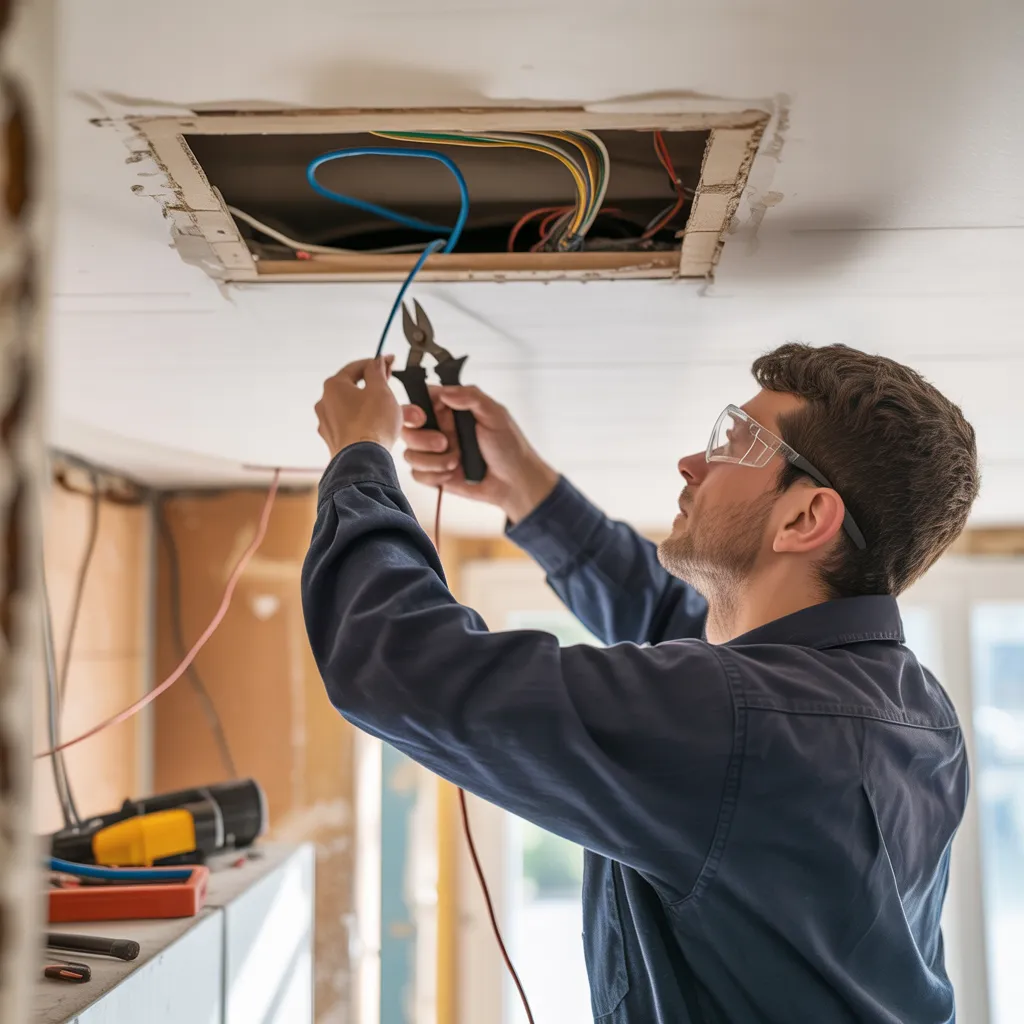
Why DIY Electrical Work Can Be Risky
Undertaking electrical work on your own can lead to serious hazards that often exceed any possible cost benefits. Most homeowners fail to appreciate the complexities of home electrical systems, which can lead to hazardous conditions. Faulty wiring, for example, can lead to dangerous fires, threatening the safety of lives and property. Furthermore, inadequate installation of electrical fixtures or outlets may pose hazards that are not immediately evident, creating ongoing safety risks.
Electrical codes and regulations exist for a reason, providing a framework for safety and compliance. Failure to comply with these standards can lead to legal consequences and issues during home inspections. Moreover, attempting DIY electrical work can result in expensive repairs when problems occur, canceling out any money saved at the outset. In the absence of proper training and hands-on experience, homeowners risk missing essential elements, creating a more hazardous outcome. In the end, engaging a trusted residential electrician is key to ensuring safety and regulatory compliance, delivering confidence that only skilled professionals can provide.
Common Electrical Issues That Require Professional Help
A great number of homeowners may encounter common electrical issues that require the skills of a qualified electrician. Flashing lights, frequently a sign of loose connections or faulty wiring, can present significant safety hazards. In addition, repeated circuit breaker trips may suggest an overload or short circuit, both of which require immediate attention. Another common issue is non-functional outlets, which can result from multiple causes, including wiring faults or faulty devices. Homeowners may also notice buzzing or sizzling sounds from electrical outlets and switches, indicating damaged components or electrical arcing. Additionally, an unexpected rise in energy costs might indicate hidden electrical problems. Lastly, the occurrence of a burning scent near electrical fixtures should not be overlooked, as it can suggest severe electrical risks. Resolving these problems quickly with the help of a certified electrician ensures both the safety of the property and the durability of its electrical systems.
Guide to Selecting a Qualified Electrician
When selecting a licensed electrician, it is essential to verify their credentials and licenses to ensure compliance with local requirements. Furthermore, reviewing their expertise and background can offer valuable information about their ability to handle specific electrical tasks. This careful evaluation helps homeowners arrive at knowledgeable choices and prioritize safety.
Validate Credentials And Licenses
To guarantee the integrity and safety of electrical services, verifying the credentials and licenses of a candidate electrician is critical. This step guarantees that the electrician has finished the required training and education to carry out electrical tasks competently and safely. A certified electrician has completed specific examinations and complies with national and local electrical codes, which safeguards homeowners against potential risks. It is recommended to obtain copies of licenses and check their validity through local licensing authorities. Furthermore, verifying any professional memberships or certifications can additionally demonstrate expertise. By taking these precautions, homeowners can substantially lower the risk of hiring unqualified individuals, thereby enhancing both safety and overall satisfaction with the electrical services rendered.
Gauge Experience And Expertise
Determining the background and qualifications of an electrician is crucial for guaranteeing quality workmanship. A skilled electrician should have a well-established background in residential electrical work, ideally with several years of hands-on experience. This experience can be measured through homeowner feedback, digital ratings, or professional references. Additionally, professional certifications or qualifications, such as those in smart home technology or energy management, can reflect a more advanced level of proficiency. It is also helpful to explore past work comparable to the client's requirements, as this can offer a glimpse of the electrician's analytical skills and flexibility. At the end of the day, choosing an electrician with a demonstrated history of success enhances the likelihood of securing dependable and high-quality electrical work.
Why Licensing and Insurance Are Important When Selecting an Electrician
Picking a home electrician requires thoughtful attention to multiple considerations, with licensing and insurance being essential. A certified electrician showcases a standard of professional conduct and compliance with industry standards, ensuring they possess the required expertise and skills to perform electrical work safely and effectively. A license also functions as a safeguard for residents, as it generally involves completing examinations and continuous learning.
Insurance plays an equally vital role, protecting both the electrician and the homeowner. Should accidents or damages occur during a project, insurance can address repair costs and liability claims, lessening the financial burden on homeowners. Without proper insurance, homeowners could be held liable for injuries or property damage. As such, verifying an electrician's licensing and insurance is critical for securing a safe and reliable electrical installation, ultimately enhancing the overall safety and soundness of the home's electrical system.
Essential Maintenance Tips for a Safe Home Electrical System
Consistent upkeep is vital for securing a safe home electrical system. Property owners should periodically check outlets and switches for any evidence of wear or malfunction, such as discoloration or abnormal warmth. It is also advisable to check circuit breakers to verify they are working as intended and to restore any tripped breakers without delay. Maintaining electrical panels free from dust and debris can improve safety and ease of access in emergency situations.
Furthermore, homeowners must avoid overloading circuits by spreading electrical loads uniformly across outlets. Employing surge protectors can assist in protecting appliances from voltage spikes. Periodically testing smoke and carbon monoxide detectors is critical, as they are key to the safety of your home. In conclusion, engaging a certified electrician for annual inspections can identify potential issues early and guarantee the electrical system runs efficiently, preserving a safe living environment for all residents.
Evaluating Customer Reviews: What to Look For?
When searching for a trustworthy home electrician, client reviews act as a helpful tool for reaching well-informed conclusions. Future clients should pay attention to particular elements within these reviews to evaluate the electrician's expertise and trustworthiness. To begin, search for comments on the quality of work completed; repeated commendations for precision and attention to detail are positive indicators. Additionally, examine the electrician's interpersonal skills; reviews highlighting timely responses and clear explanations demonstrate a high level of professionalism.
Moreover, consider opinions on punctuality and adherence to project timelines, as this indicates the electrician's consideration of clients' time. To conclude, take note of how issues are addressed; a dedicated electrician shows a commitment to customer satisfaction. By evaluating these important elements in customer reviews, people can better identify electricians who value professionalism and safety in their work.
Popular Questions We Receive
What Qualifications Should I Consider When Choosing an Electrician?
When selecting an electrician, one should prioritize qualifications such as valid licensing, insurance, relevant certifications, experience in residential work, strong client testimonials, and adherence to safety regulations. These factors guarantee quality and reliability in electrician services.
What Is the Best Way to Verify an Electrician's Credentials?
To verify an electrician's credentials, one should look for appropriate licensing, coverage, and professional certifications. Furthermore, checking online reviews and asking for referrals from reliable sources can provide insights into their professional competence and dependability.
What Should I Expect During an Electrical Inspection?
Throughout an electrical inspection, one can expect a comprehensive assessment of wiring, outlets, and panels. The licensed electrician will check for safety hazards, code compliance, and carry out required tests to guarantee the electrical system performs properly and efficiently.
How Do Electrical Codes Affect My Home?
Electrical codes set safety guidelines that confirm installations remain safe and effective. They govern wiring, grounding, and equipment specifications, helping to prevent hazards like fires and electrical shocks, ultimately securing both property and residents.
What Are the Signs of a Good Electrician?
A good electrician demonstrates punctuality, has relevant certifications, communicates effectively, provides detailed estimates, and exhibits strong problem-solving skills. Moreover, glowing customer testimonials and a robust warranty on services performed are essential markers of trustworthiness and professional standards.